
Thermoplastic Road Marking Machine Manufacturer
Thermoplastic Road Marking Machine for Sale
Road Marking Equipment for Highway, Urban Road and Parking Lot Projects
Wayke Machine supplies thermoplastic road marking machines for road contractors, road construction companies and infrastructure projects. Our equipment is designed to apply durable thermoplastic road markings on highways, urban roads, parking lots and other pavement surfaces. Available configurations include hand-push, self-propelled and ride-on machines, with equipment selection based on project scale, marking requirements and operating conditions.
What Is a Thermoplastic Road Marking Machine?
A thermoplastic road marking machine is equipment used to apply heated thermoplastic material onto asphalt or concrete pavement to create road lines, traffic symbols and other pavement markings. The solid thermoplastic paint is heated in a preheater or kettle until molten, then transferred to a marking applicator and formed into the required line or profile. Glass beads can be applied to fresh markings to improve nighttime visibility.
Thermoplastic Material
Heating and Melting
Material Feeding
Marking Shoe / Screed Box
Glass Bead Application
Finished Road Marking
Why Use Thermoplastic Road Markings?
Thermoplastic road markings are widely used in road construction and traffic management projects.
Durable Markings
Suitable for pavement markings exposed to regular traffic and outdoor conditions.
High Visibility
Compatible with reflective glass beads for improved nighttime visibility.
Efficient Application
Designed for continuous line marking operations across different project sizes.
Multiple Applications
Used for highways, urban roads, airport areas and parking facilities.
Types of Thermoplastic Road Marking Machines
Thermoplastic road marking machines can be selected according to their operating method and the type of road marking required.
1. By Operating and Driving Method
The operating method affects machine maneuverability, operator workload and suitability for different project sizes. Common configurations include hand-push, self-propelled and ride-on machines.
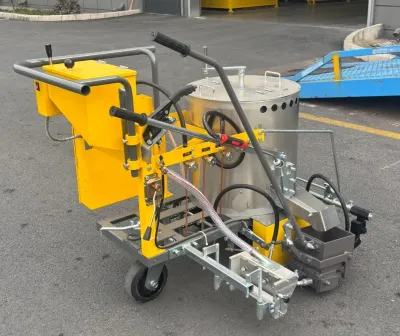
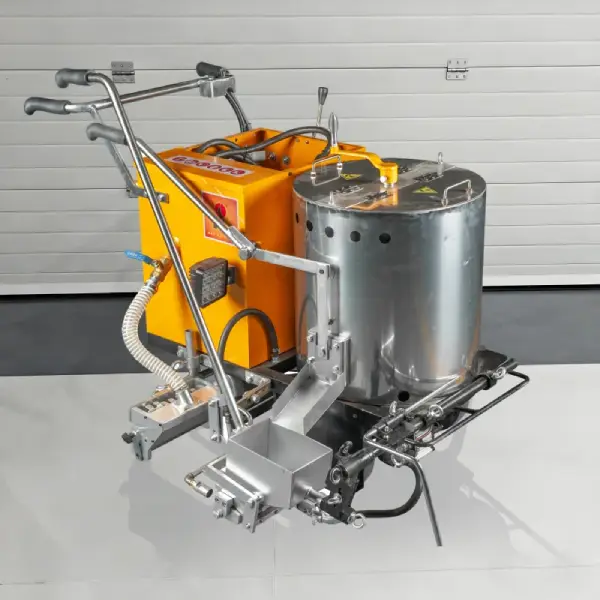
Hand Push Thermoplastic Road Marking Machine
A manually operated machine suitable for parking lots, small roads, municipal projects and maintenance work. Its compact structure and maneuverability make it useful for areas with frequent turns and shorter marking sections.
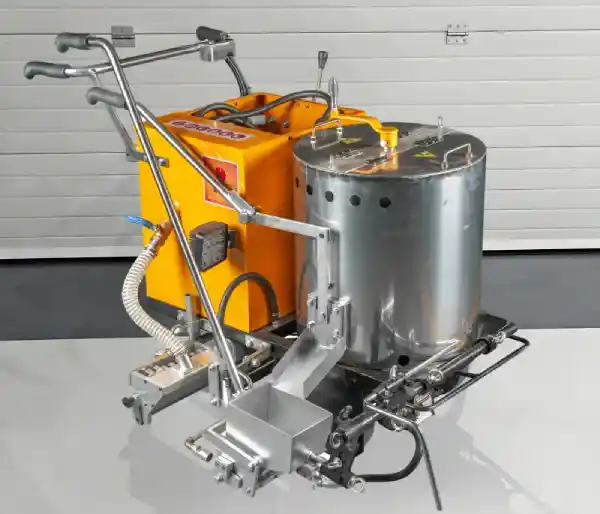
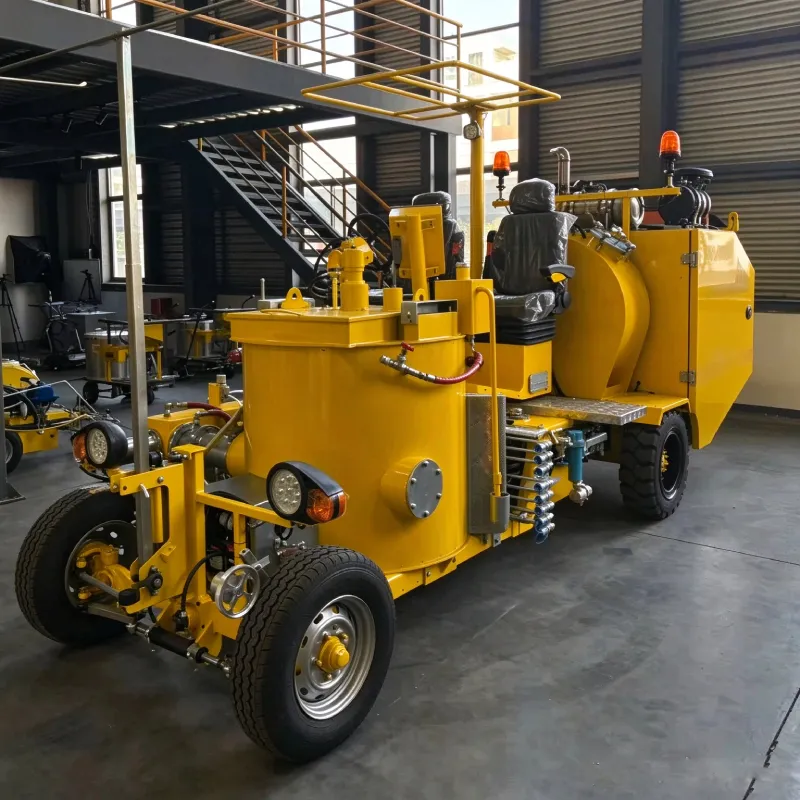
Self-Propelled Thermoplastic Road Marking Machine
Equipped with a drive system to move the machine during marking operations. It can reduce manual pushing effort and is suitable for medium-scale road projects and longer marking sections.
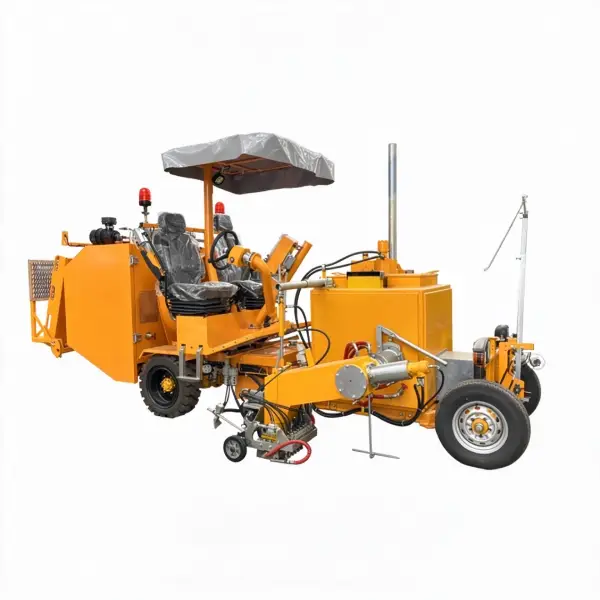
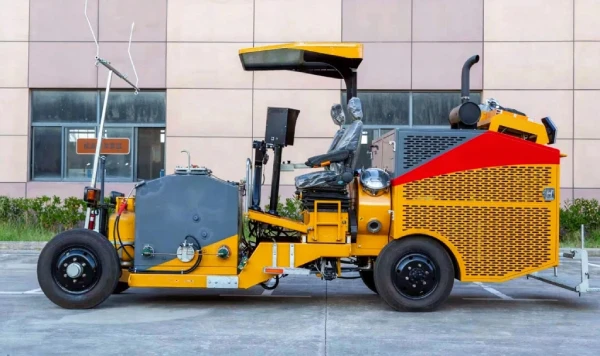
Ride-on Thermoplastic Road Marking Machine
Features a riding platform for the operator and is designed for sustained marking operations. It may be considered for larger projects where operating comfort, working efficiency and machine configuration are important.
2. By Road Marking Application
The application method and marking shoe determine the line shape and profile. Standard line marking and convex or profile line marking require different application configurations.
Standard Thermoplastic Line Marking
Used to apply conventional road lines, lane markings, parking lines and traffic symbols. The marking shoe or screed box is selected according to the required line width and thickness.
Explore Machine Models →
Thermoplastic Convex Line Marking Machine
Designed for raised or profile road markings. The application unit forms a specific marking profile for projects that require additional tactile or audible warning effects.
Note: Operating method and marking application are two different classification dimensions. For example, a machine's driving method does not determine whether it applies standard or convex road markings. The final configuration should match the actual machine model and project requirements.
How Does a Thermoplastic Road Marking Machine Work?
The typical thermoplastic road marking process from material preparation to finished pavement markings.
01 Load Material
→
02 Heat & Melt
→
03 Maintain Temperature
→
04 Transfer Material
→
05 Apply Marking
→
06 Apply Glass Beads
→
07 Finish
The exact workflow depends on whether the project uses a separate thermoplastic preheater, an integrated material tank or another material supply arrangement.
Thermoplastic Preheater and Road Marking Applicator: What Is the Difference?
A thermoplastic road marking operation may use separate equipment for melting the material and applying it to the pavement.
Thermoplastic Preheater / Kettle
The preheater melts solid thermoplastic road marking material and maintains it at the working condition required by the material manufacturer. Its capacity and heating arrangement affect material preparation and the continuity of the operation.
Thermoplastic Road Marking Applicator
The applicator receives molten material and forms the required line or profile on the pavement through a suitable marking shoe, screed box or application unit. Its configuration should match the required line width, thickness and marking pattern.
For a project quotation, confirm whether you already have a thermoplastic preheater or need a coordinated setup that includes material melting, transfer and application equipment.
Key Components of a Thermoplastic Road Marking Machine
Main components and systems used in thermoplastic road line marking operations.
Heating Kettle
Used to heat solid thermoplastic material to the working condition required by the material specification.
Thermoplastic Tank
Stores molten material and supports consistent feeding during marking operations.
Marking Shoe
Forms the required road marking width, thickness and profile on pavement surfaces.
Glass Bead Dispenser
Applies reflective glass beads onto fresh thermoplastic markings where required.
Heating System
Maintains the required material temperature for suitable flow and application.
Control System
Depending on the model, controls may support temperature, material flow and machine operation.
Manual, Semi-Automatic and Automatic Functions
Automation describes the machine's operating functions. It is different from the machine's driving method or operating platform.
Manual Operation
The operator manually controls the machine's movement or relevant working functions. Commonly associated with basic hand-push equipment.
Semi-Automatic Functions
Selected functions may be assisted by mechanical or electrical controls, depending on the machine configuration.
Automatic Functions
Certain operating functions may be automated on compatible models. The available functions should be confirmed against the actual specification.
An automatic function does not necessarily mean that a machine is self-propelled. A hand-push machine may also have selected assisted or automatic functions, depending on its design.
How to Choose the Right Thermoplastic Road Marking Machine?
Select a suitable machine according to your project size, marking requirements and operating conditions.
| Your Project Requirement | Machine to Consider |
|---|---|
| Parking lots and small marking areas | Hand Push Thermoplastic Machine |
| Municipal roads and urban road projects | Hand Push / Self-Propelled Machine |
| Medium-scale road marking projects | Self-Propelled Machine |
| Long-duration marking operations | Self-Propelled / Ride-on Machine |
| Raised or profile road markings | Thermoplastic Convex Line Marking Machine |
What Information Should You Prepare Before Buying?
- Project type and scale: Highway, urban road, airport, parking lot or maintenance work.
- Marking requirements: Line width, line thickness, straight or curved sections, and any raised or profile markings.
- Material and supply: Thermoplastic material specification and whether a preheater is already available.
- Productivity target: Approximate daily marking area or line length, working hours and road-closure window.
- Operating method: Whether you prefer hand-push, self-propelled or ride-on equipment.
- Site conditions: Pavement type, working space, transport access, power or fuel availability and operator experience.
Featured Thermoplastic Road Marking Machines
Explore different thermoplastic road marking machine configurations for various project requirements.
Hand Push
Hand Push Thermoplastic Road Marking Machine
For parking lots, small roads, municipal projects and pavement maintenance work.
Self-Propelled
Self-Propelled Thermoplastic Road Marking Machine
For urban roads, medium-scale projects and longer road marking operations.
Ride-on
Ride-on Thermoplastic Road Marking Machine
For sustained marking operations where a riding platform and operating comfort are required.
View Details →Applications of Thermoplastic Road Marking Machines
Thermoplastic road marking equipment is used for different road construction and traffic management applications.

Highway and Expressway Marking
Road lines and traffic markings for high-speed roads and expressways.

Urban Road Marking
Lane lines, pedestrian crossings and traffic markings for municipal road projects.
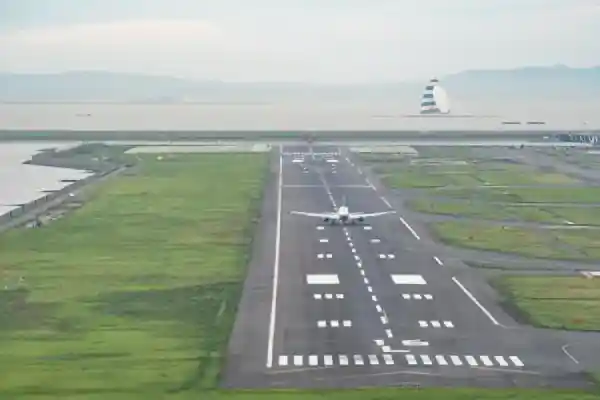
Airport Pavement Marking
Marking applications for airport pavement areas, subject to project specifications.

Parking Lot Marking
Parking space lines, directional arrows and traffic guidance markings.
Typical Technical Specifications
Common configuration items to consider when comparing thermoplastic road marking machines.
| Parameter | Configuration / Option |
|---|---|
| Operating Method | Hand Push / Self-Propelled / Ride-on |
| Marking Application | Standard Line / Convex or Profile Line |
| Marking Width | Depends on marking shoe and selected model |
| Heating Arrangement | Depends on the preheater and machine configuration |
| Material Capacity | Depends on model and configuration |
| Glass Bead System | Optional or integrated, depending on model |
| Control Functions | Manual / Assisted / Automatic functions, where available |
* These are general configuration categories, not guaranteed specifications for every machine. Actual marking width, heating arrangement, material capacity, drive system and control functions must be confirmed against the selected model.
How Much Does a Thermoplastic Road Marking Machine Cost?
The price of a thermoplastic road marking machine depends on its operating method, machine configuration and complete scope of supply. Hand-push, self-propelled and ride-on machines may have different equipment structures and cost levels. A model-specific quotation is recommended rather than relying on one general price.
Hand Push
Generally a more economical option for smaller projects and areas requiring maneuverability.
Self-Propelled
A powered configuration for projects where reduced pushing effort and longer operation are important.
Ride-on
A riding-platform configuration for sustained marking operations and specific project requirements.
What Affects the Machine Price?
- Machine type: Hand push, self-propelled or ride-on configuration.
- Heating arrangement: Heating method and whether a separate preheater is included.
- Material capacity: Tank capacity and material supply arrangement.
- Marking system: Standard marking shoe, screed box or convex line application unit.
- Automation: Available control, feeding and assisted operating functions.
- Accessories: Glass bead dispenser and other optional equipment.
- Export requirements: Packaging, destination, shipping method and trade terms.
Frequently Asked Questions
Answers to common questions about thermoplastic road marking machines, configurations and purchasing.
A thermoplastic road marking machine is equipment used to apply heated thermoplastic material onto pavement surfaces to create road lines, traffic symbols and other markings. The molten material is formed into the required marking through a marking shoe, screed box or other application unit.
Thermoplastic material is heated in a suitable preheater or kettle until it reaches the working condition specified by the material supplier. The molten material is transferred to the applicator and formed on the road surface through a marking shoe or screed box. Drop-on glass beads may be applied to fresh markings to improve retroreflectivity.
A hand-push thermoplastic road marking machine is manually pushed by an operator and is commonly used for smaller areas and projects requiring maneuverability. A self-propelled machine uses its own drive system to move and may reduce operator effort during longer marking operations. The right choice depends on project scale, required output and the actual machine configuration.
The price depends on machine type, material capacity, heating arrangement, marking shoe or screed configuration, glass bead system, automation functions and optional accessories. Hand-push, self-propelled and ride-on machines have different configurations. Contact us with your project requirements for a model-specific quotation.
Automation features depend on the selected machine model. Drive assistance, material feeding, glass bead application and control functions should be checked against the actual machine specification. Automatic functions do not necessarily mean that the machine is self-propelled.
Yes. Thermoplastic road marking equipment is used for highways and expressways. The suitable machine depends on required output, marking design, road-closure window, material supply arrangement and project specifications.
A thermoplastic road marking system applies heated solid thermoplastic material, which cools after application. A cold paint road marking machine applies liquid road marking paint. The suitable system depends on project specifications, traffic conditions, required marking performance and local standards.
Depending on the selected model, configuration options may include marking width, material capacity, heating arrangement, propulsion, glass bead application and control features. Confirm available options against the actual machine specification and project requirements.
Please provide your project type, expected daily marking output, required line width and thickness, preferred operating method, thermoplastic material details and whether you already have a preheater. These details help us recommend a suitable machine configuration.
Looking for the Right Thermoplastic Road Marking Machine for Your Project?
Share your project type, marking material, required line width, expected daily output and preferred operating method. Wayke Machine can help you identify a suitable thermoplastic road marking machine configuration for your application.