
MMA Two-Component Road Marking Equipment
Two-Component Road Marking Machine
Designed for applying MMA (methyl methacrylate) two-component cold plastic road marking materials, this equipment is available in different configurations for specific application methods. Select the machine according to the material system, required marking profile, working width and project conditions.
For MMA Cold Plastic Markings
Different Models for Different Methods
Project-Based Machine Selection
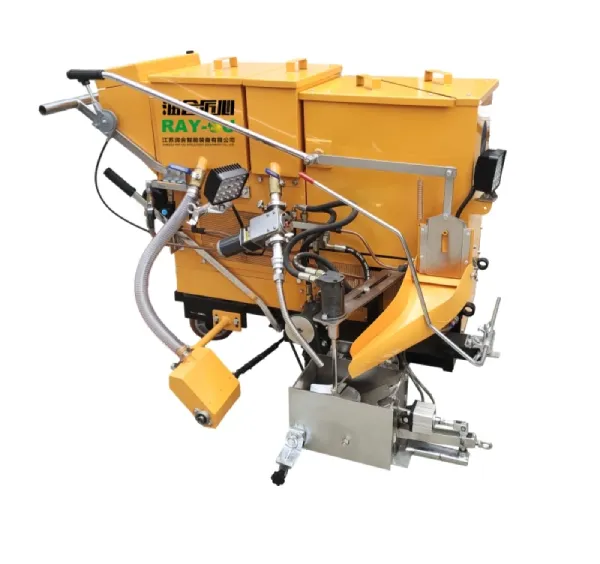
Replace this placeholder with a real photograph of the MMA two-component machine model offered.
Material
MMA two-component cold plastic road marking material.
Application Methods
Different machine models for different application methods.
Machine Selection
Match the application unit to the required line or profile.
Project Requirements
Confirm material data, output needs and site conditions.
What Is a Two-Component Road Marking Machine?
An MMA two-component road marking machine is used to apply methyl methacrylate (MMA) cold plastic road marking material. The material system uses two components that react and cure after they are combined or brought together according to the material manufacturer's instructions. The machine configuration must match the specific MMA material, component arrangement and application process.
Machine configurations differ. Separate models may be designed for spray application, screed or extrusion application, or structured profile marking. These are different equipment configurations rather than functions that should automatically be assumed to exist on one machine. The correct choice depends on the MMA material supplier's instructions and the marking specification.
Important: Spray, screed/extrusion and structured
profile marking may require different machine models or application
assemblies. Confirm the exact MMA material compatibility and the
application method supported by the quoted model before ordering.
Two-Component Road Marking Application Methods
MMA cold plastic markings can be applied using different equipment configurations. The methods below represent separate machine types or configurations. They are not a claim that one machine performs all three methods; confirm the exact model supplied for each method.
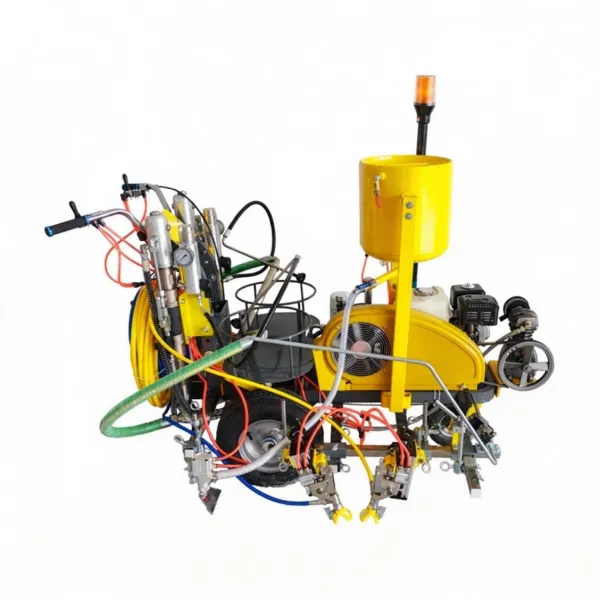
METHOD 01
Spray Application
A dedicated spray-type MMA machine applies compatible two-component cold plastic material through its spray system. Confirm the material formulation, component feeding arrangement and nozzle setup for the selected model.
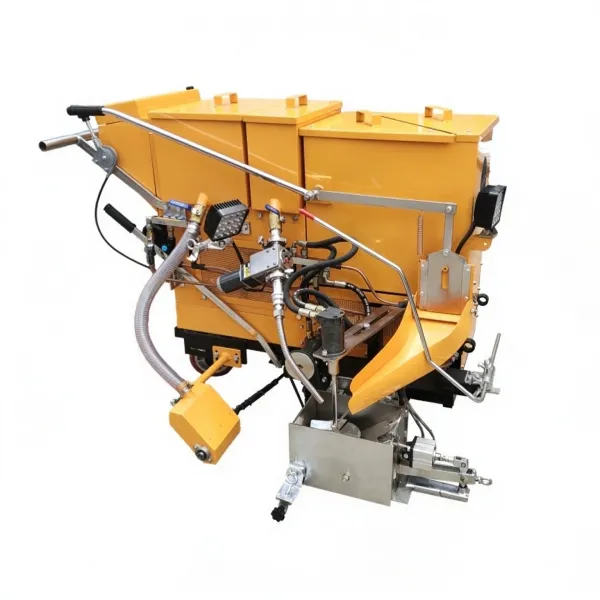
METHOD 02
Screed or Extrusion
A separate screed or extrusion-type machine uses a forming box or application head to lay MMA material at the required width and thickness. The machine and head must match the specified marking dimensions.

METHOD 03
Structured or Profile Marking
A dedicated structured-marking machine or profile-forming configuration is used where the project requires raised, profiled or other specified patterns. Verify the exact profile capability of the selected model.
Potential Road Marking Applications
MMA cold plastic road marking systems may be used for suitable infrastructure projects when the selected material, machine model and application method meet the project specifications.
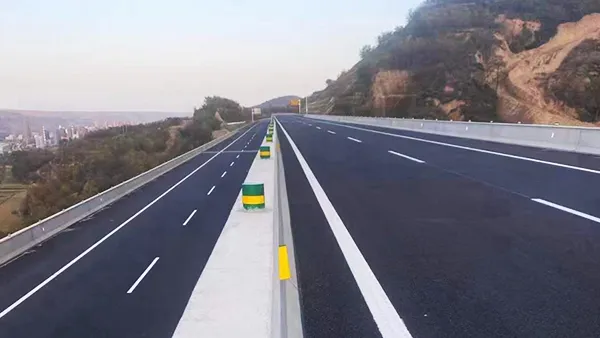
Highways and Roads
Lane lines, edge lines and other road markings where the selected material system is approved for use.

Crosswalks and Intersections
Pedestrian crossings, stop lines and other traffic control markings, subject to project specifications.

Airport Pavements
Airport pavement marking applications only where the selected material and equipment meet applicable aviation and project requirements.
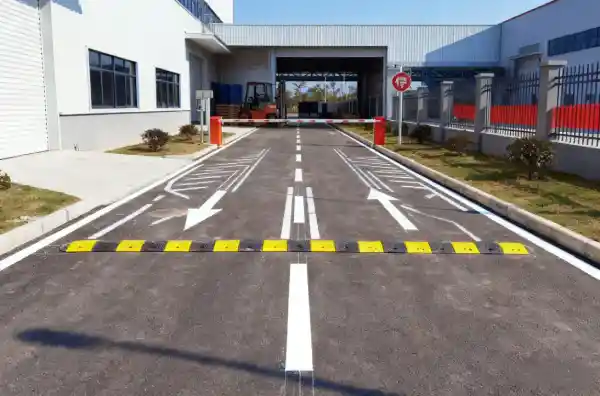
Industrial and Logistics Areas
Traffic guidance, safety zones and pavement markings in compatible industrial or logistics environments.
How to Select the Right Two-Component Road Marking Machine
Before selecting a machine, identify the marking material and the finished line required by your project. These details help determine which application method and equipment configuration are suitable.
1. Confirm the Marking Material
Confirm that the material is an MMA two-component cold plastic road marking system. Obtain its technical datasheet and check component ratio, working time, curing conditions and the supplier's cleaning instructions.
2. Define the Marking Design
Specify line width, layer thickness or profile, marking pattern and whether the project requires flat or structured markings.
3. Check the Application System
Select the required method first: spray, screed/extrusion or structured profile. Each method may require a different machine model or application configuration.
4. Review Site Conditions
Consider the pavement surface, working environment, access, power supply, expected work volume and operator requirements.
Technical Specifications to Confirm
Specifications depend on the exact machine model and configuration. Use the table below as a checklist when requesting a quotation or comparing suppliers.
| Specification | What to Confirm |
|---|---|
| Machine Model | Exact model name, configuration and included equipment. |
| Compatible Materials | Approved material types and the material supplier's requirements. |
| Component Ratio | Required ratio and the available metering or proportioning method. |
| Application Method | Spray, screed, extrusion or other confirmed application method. |
| Marking Width | Supported width range and adjustment options. |
| Marking Profile | Flat, structured or other profile options supported by the model. |
| Material Capacity | Capacity of each component container and material supply arrangement. |
| Power Source | Engine, electrical supply or other power configuration, as applicable. |
| Operating Requirements | Operator requirements, cleaning procedure and routine maintenance. |
| Dimensions and Weight | Transport dimensions, operating dimensions and shipping weight. |
| Accessories and Spares | Included application heads, tools, wear parts and recommended spares. |
Specification note: Do not publish estimated values
as confirmed specifications. Add actual figures only after checking
the manufacturer's datasheet for the model being offered.
From Project Requirements to Machine Selection
Share Your Requirements
Provide the material name, datasheet, application method and marking design if available.
Review Compatibility
Check whether the machine's supply, metering and application systems suit the specified material.
Confirm Configuration
Review the model, included components, accessories, technical parameters and operating requirements.
Confirm Commercial Details
Clarify the quotation scope, packing, shipping arrangements, documentation and spare-parts requirements.
Material Handling and Operation Considerations
MMA two-component cold plastic materials have specific component proportioning, working-time, application and curing requirements. Follow the material manufacturer's technical documentation and make sure the selected machine is designed for that MMA system.
- Material compatibility: Confirm that the machine's wetted parts and application system are compatible with the selected material.
- Component proportion: Follow the MMA material manufacturer's specified component ratio and confirm that the selected machine uses the required feed, metering or mixing arrangement.
- Working time: Check the MMA material's working time, temperature limits and curing conditions before operation.
- Surface preparation: Prepare the pavement according to the project's requirements and material instructions.
- Cleaning: Follow the specified cleaning procedure and prevent material from curing in components that require cleaning.
- Operator safety: Follow the material safety data sheet and the machine's operating instructions, including appropriate protective equipment.
Need Help Choosing a Configuration?
Share your MMA material datasheet, required application method, marking profile and project conditions so the appropriate machine model can be identified.
Related Road Marking Equipment
Frequently Asked Questions
It is equipment designed to apply MMA (methyl methacrylate)
two-component cold plastic road marking material. The
component arrangement and application unit depend on the
material supplier's requirements and the selected machine model.
Spray application delivers compatible material through a
spray system. Screed or extrusion application uses a forming
head to create a specified layer or profile. The appropriate
method depends on the material and required marking design.
No, this should not be assumed. Spray, screed/extrusion and
structured profile marking are offered in different machine
models or configurations. Choose the model designed for your
required method and confirm it before ordering.
Provide the MMA material name or datasheet, required application
method, marking width and profile, expected output, project
location and site conditions. These details help identify the
appropriate machine model and configuration.
No. Output, power source, machine dimensions, material
supply, controls and application options vary by model.
Request the datasheet for the exact configuration being quoted.
Confirm the MMA material formulation, component ratio,
working time, curing conditions, surface preparation and
cleaning procedure. Follow the material supplier's technical
and safety documentation.
It may be suitable when the material, application method,
machine configuration and project specifications align.
Confirm all required performance, approval and safety
requirements for the intended site.
Request a Quote for an MMA Two-Component Road Marking Machine
Tell us which MMA two-component cold plastic material you use, whether you need spray, screed/extrusion or structured profile application, and your project requirements. Include a material datasheet or marking drawing if available.
1. Material
MMA material name, supplier or technical datasheet.
2. Application Method
Spray, screed/extrusion, structured profile or not yet decided.
3. Project Requirements
Marking width, profile, expected output and site conditions.
4. Contact Information
Name, company, country and email or WhatsApp number.