
Road Construction Equipment
Double Drum Road Roller for Asphalt Compaction
Looking for a double drum road roller for asphalt paving, road resurfacing or pavement maintenance? Explore tandem roller configurations and compare the specifications that matter for your project.
A double drum road roller uses two steel drums to compact suitable road surfaces. Depending on the machine design, available configurations may include ride-on rollers, walk-behind rollers and vibratory models.
Compare models by operating weight, drum width, vibration specifications and working conditions before making a selection.

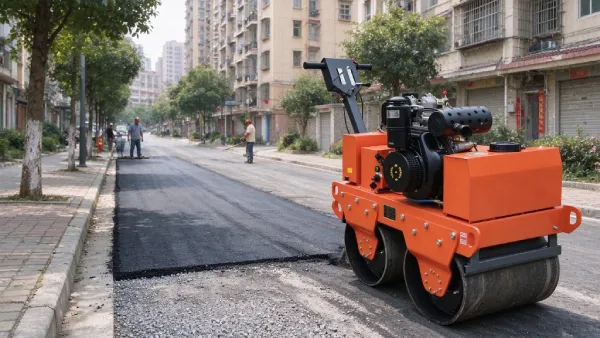
Double drum road roller — replace this image with a real product photo.
Asphalt Applications
For suitable paving and resurfacing work
Model Comparison
Review operating weight and drum dimensions
Project-Based Selection
Match machine specifications to site conditions
Product Overview
What Is a Double Drum Road Roller?
A double drum road roller, also called a tandem roller, is a compaction machine equipped with front and rear steel drums. The two-drum design helps produce a consistent surface finish when the machine is correctly matched to the material and compaction requirements.
Double drum rollers are commonly associated with asphalt paving and road surface work. Depending on the model and its operating mode, some machines may also be suitable for selected granular materials or other compaction tasks.
- Two steel drums for surface compaction.
- Available designs may differ in operating method, dimensions and vibration system.
- Machine selection should reflect material type, layer thickness and site access.
- Actual performance depends on model specifications and working conditions.
Configurations
Double Drum Roller Types
Double drum rollers are available in different configurations. The following descriptions explain common design options; confirm which types and models are actually available before publishing them as product listings.
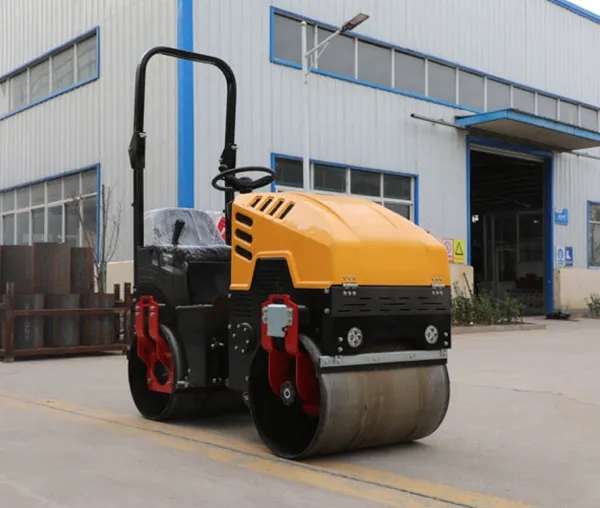
Ride-On Double Drum Roller
A ride-on configuration allows the operator to control the machine from a driving position. Depending on machine size, it may suit road paving, resurfacing and larger paved areas.
Ask About Available Models →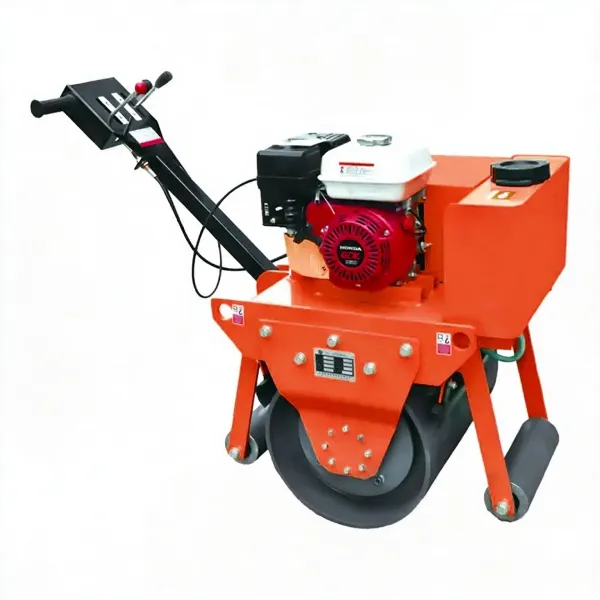
Walk-Behind Double Drum Roller
A walk-behind design can be considered for confined areas, patching work and smaller paving jobs where a larger ride-on roller may be impractical. Check the machine's dimensions and operating requirements.
Check Compact Roller Options →Double Drum Vibratory Roller
A vibratory roller uses a vibration system to support compaction. Frequency, amplitude and exciting force vary by model and should be evaluated against the material, layer and project requirements.
Ask About Vibration Specifications →Typical Work Areas
Double Drum Road Roller Applications
The right roller depends on the material being compacted, required surface quality, work area and construction method. Typical application areas include:
Asphalt Paving
Used in asphalt compaction operations where the roller's weight, drum dimensions and operating settings match the paving specification.
Road Resurfacing
Suitable configurations can support resurfacing work on roads and other paved surfaces, subject to site access and compaction requirements.
Parking Areas and Access Roads
Depending on the machine size and surface material, a tandem roller may be considered for parking areas, access roads and other paved spaces.
Selected Compaction Tasks
Some models may support work beyond asphalt surfaces. Confirm material compatibility and the manufacturer's operating guidance before use.
Technical Information
Key Double Drum Roller Specifications
Use these parameters to compare available machines. Exact values should be taken from the technical datasheet for each model rather than estimated.
| Operating Weight | Important for transport planning, surface loading and matching the roller to the compaction task. |
|---|---|
| Drum Width | Affects the working width and maneuverability. Consider the road width, site layout and required finish. |
| Vibration Frequency | Relevant for vibratory models. Confirm the available settings and recommended operating conditions. |
| Nominal Amplitude | Relevant when comparing vibratory rollers; suitability depends on the material and compaction specification. |
| Exciting Force | A technical parameter for vibratory systems. Compare values only alongside the other machine specifications. |
| Travel Speed | Consider working efficiency, maneuvering needs and the operating method specified for the machine. |
| Turning Radius | Useful when assessing maneuverability around road edges, parking areas and restricted work zones. |
| Water Sprinkling System | Check whether a water system is fitted or available as an option, particularly for asphalt applications. |
| Transport Dimensions | Confirm machine length, width and height for shipping, container planning and delivery access. |
Specification availability varies by model. Request the relevant datasheet and confirm configuration, power supply or engine options, accessories and transport details with the supplier.
Selection Guide
How to Choose the Right Double Drum Roller
Before requesting a quotation, prepare a few project details. They help narrow down the suitable machine configuration and avoid comparing models on price alone.
STEP 01
Define the Application
Specify asphalt paving, resurfacing, parking areas or another intended use.
STEP 02
Check the Work Area
Share the working width, access limitations, surface type and expected workload.
STEP 03
Compare Specifications
Review operating weight, drum width, vibration settings and machine dimensions.
STEP 04
Confirm the Supply Scope
Check the included configuration, optional equipment, spare parts and delivery requirements.
Project Planning
What Information Should You Provide?
A useful quotation request includes the application, working conditions and destination. If you are unsure which roller size is appropriate, share the information you have and ask for a model recommendation.
- Project country and delivery destination.
- Intended use and surface material.
- Required working width or available site width.
- Preferred operating type, if already known.
- Quantity, delivery schedule and any special requirements.

Compare Equipment
Double Drum vs. Single Drum Road Roller
The main difference is the drum arrangement and the applications commonly associated with each design. Actual suitability depends on the specific machine and material.
Double Drum Road Roller
Uses two steel drums and is commonly selected for asphalt paving, road resurfacing and surface finishing. Compare drum width, operating weight and vibration features for the intended job.
Single Drum Road Roller
Commonly uses a large front steel drum and rear tires. Many models are designed for soil, subgrade and granular material compaction. Select based on the material and required compaction result.
These are general distinctions, not substitutes for the operating instructions and application limits of an individual model.
Frequently Asked Questions
Double Drum Road Roller FAQs
Answers to common questions when comparing tandem rollers for road construction projects.
A double drum road roller is commonly used for asphalt paving, road resurfacing and other suitable surface compaction work. The right model depends on the material, layer requirements, site access and machine specifications.
The terms are commonly used for the same general roller configuration: a machine with front and rear steel drums. Product descriptions may vary, so compare the actual machine layout and technical specifications.
A ride-on roller is operated from a driving position, while a walk-behind roller is guided by an operator walking behind the machine. Their size, output and suitable working areas vary by model.
Consider the working area, required coverage, surface material, compaction specification and access restrictions. Share these details with the supplier so the proposed machine can be checked against the project requirements.
Price can vary with machine size, operating weight, drum width, vibration system, engine or power configuration, optional equipment, spare parts package, order quantity and delivery terms. Request a quotation based on a clearly specified configuration.
Confirm the model and datasheet, included equipment, applicable standards and documentation, warranty terms, spare parts availability, packing method, delivery schedule and agreed shipping terms. Ask for written confirmation of the final configuration.
Explore More
Related Road Construction Equipment
Explore related equipment categories to compare solutions for different road construction and pavement maintenance requirements.
Request Product Information
Looking for a Double Drum Road Roller?
Tell us about your application, required working width and destination. Request available model details and a quotation based on your project requirements.