
Road Marking Materials
Road Marking Materials for Highway and Pavement Projects
Thermoplastic Paint, Cold-Applied Paint, Two-Component Materials and Glass Beads
Wayke Machine provides road marking material solutions for highway, airport, municipal road, parking lot and industrial pavement projects. Our material range covers thermoplastic road marking paint, cold-applied traffic paint, two-component marking materials and reflective glass beads. Material selection can be matched with project conditions, application methods and road marking equipment requirements.
Thermoplastic Paint
Cold-Applied Paint
Two-Component Materials
Reflective Glass Beads
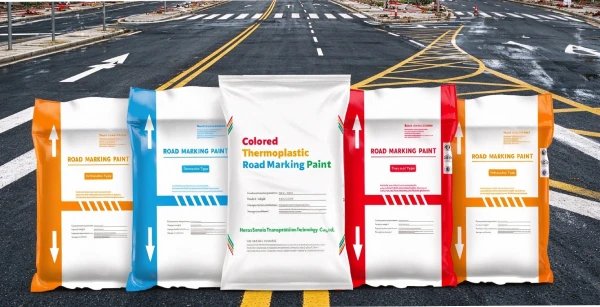
What Are Road Marking Materials?
Road marking materials are coatings and reflective components applied to road and pavement surfaces to create lane lines, traffic symbols, directional arrows, pedestrian crossings and other pavement markings. They help guide drivers, organize traffic flow and improve the visibility of road markings in different lighting and weather conditions.
Different road marking materials use different application and curing methods. Thermoplastic materials are heated before application, cold-applied paints are generally applied without heating, and two-component materials cure through a chemical reaction. Glass beads are used with suitable marking systems to improve retroreflectivity.
Highway Lane Lines
Traffic Symbols
Directional Arrows
Pedestrian Crossings
Parking Markings
Reflective Markings
Types of Road Marking Materials
Explore the main material systems used for road and pavement marking projects, including coating materials and reflective components.
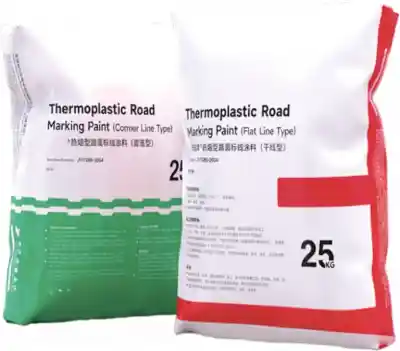
Hot Applied
Thermoplastic Road Marking Paint
A hot-applied marking material supplied in solid forms such as bags, granules or blocks. It is heated to the specified application temperature and forms a marking layer as it cools.
Explore Thermoplastic Paint →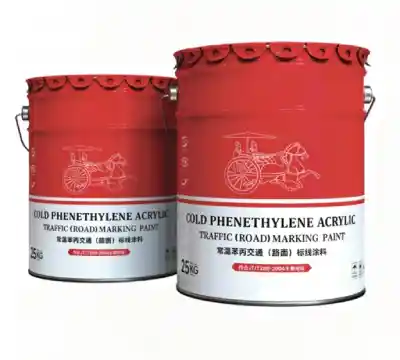
Cold Applied
Cold-Applied Road Marking Paint
Liquid marking coatings applied without a heating kettle. Depending on the formulation, products may be water-based or solvent-based and are used for various road maintenance and pavement marking applications.
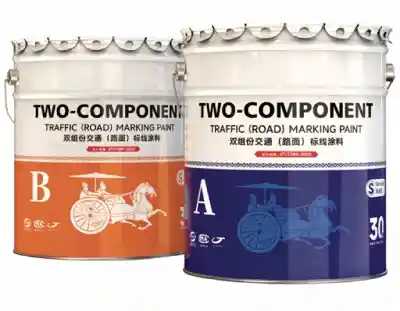
Reactive Curing
Two-Component Road Marking Material
A reactive marking system in which components are mixed or applied according to the product system and cure through a chemical reaction. Suitable formulations are selected for specific high-performance applications.

Reflective Component
Road Marking Glass Beads
Specially graded glass beads used to improve the retroreflective performance of road markings. They may be incorporated into selected materials or dropped onto the marking surface during application.
Explore Glass Beads →How to Choose Road Marking Materials
The suitable material depends on pavement conditions, traffic volume, project specifications, application equipment and expected service performance.
| Project Application | Materials to Consider | Important Selection Factors |
|---|---|---|
| Highways and Expressways | Thermoplastic or specified high-performance systems | Traffic volume, visibility, wear resistance and local road standards |
| Airport Runways and Taxiways | Materials approved for the relevant aviation marking specification | Airport authority requirements, color, visibility and surface compatibility |
| Parking Lots | Cold-applied paint or other suitable marking systems | Traffic frequency, pavement type, drying or curing time and maintenance needs |
| Industrial Areas | Cold-applied or two-component materials, depending on conditions | Vehicle loads, chemical exposure, abrasion and indoor or outdoor use |
| Urban and Municipal Roads | Thermoplastic or cold-applied paint | Road type, traffic management requirements, installation time and budget |
| Night-Time Visibility | Compatible marking material with suitable glass beads | Bead type, application rate, embedment and required retroreflectivity |
Need help selecting a material? Share your project location, pavement type, traffic conditions and marking requirements with our team.
Road Marking Material Comparison
Compare the general characteristics of common road marking material systems. Actual performance depends on the product formulation and project conditions.
| Feature | Thermoplastic | Cold-Applied Paint | Two-Component Material |
|---|---|---|---|
| Application Method | Heated before application | Applied without heating | Mixed or applied according to the product system |
| Setting or Curing | Sets mainly through cooling | Dries through water or solvent evaporation, depending on formulation | Cures through chemical reaction |
| Heating Equipment | Normally required | Normally not required | Depends on the specific system |
| Application Equipment | Preheater and thermoplastic marking machine | Suitable spray or application equipment | Equipment designed for the selected 2K system |
| Typical Uses | Roads, highways and selected urban markings | Parking areas, municipal roads and maintenance | Selected high-performance road and pavement applications |
| Performance Considerations | Layer thickness, cooling, adhesion and wear | Film build, drying, adhesion and weather conditions | Mixing ratio, curing, surface preparation and application quality |
Note: There is no universal service-life or thickness value for each material category. Refer to the product technical data sheet, project specifications and applicable local standards for actual values.
Complete Road Marking Solutions
Matching suitable materials with application equipment is important for consistent marking quality and efficient project execution.
Marking Materials
+
Application Equipment
+
Glass Bead System
+
Project Solution
Road Marking Materials
Thermoplastic paint, cold-applied paint, two-component materials and glass beads.
Road Marking Equipment
Thermoplastic preheaters, road marking machines, spray systems and bead dispensers.
Project Support
Material selection, equipment matching and application guidance based on project needs.
Road Marking Material Applications
Different marking materials are selected according to pavement conditions and the requirements of each infrastructure project.

Highway and Expressway Marking
Lane lines, edge lines, directional markings and other traffic guidance markings for high-speed roads.

Airport Runway and Taxiway Marking
Specialized pavement markings selected to meet the relevant airport authority and aviation requirements.

Parking Lot Marking
Parking space lines, directional arrows, pedestrian paths and traffic organization markings.
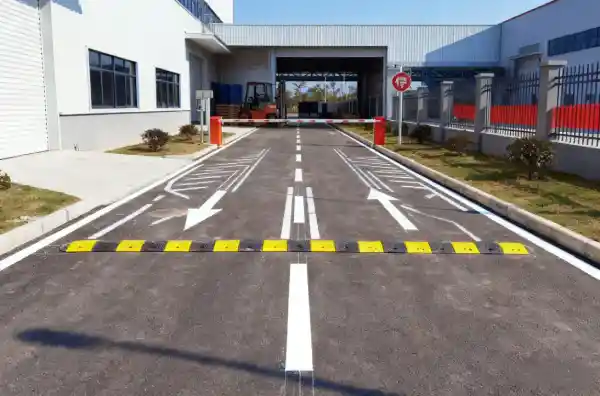
Industrial and Commercial Areas
Traffic routes, safety zones and pavement markings for factories, warehouses and commercial facilities.
Frequently Asked Questions About Road Marking Materials
Common questions about material types, selection, application and road marking equipment.
1. What are the main types of road marking materials?
Common road marking material systems include thermoplastic paint, cold-applied traffic paint and two-component reactive materials. Glass beads are also widely used as a reflective component to improve the night-time visibility of suitable road markings.
2. Which road marking material is suitable for highways?
Thermoplastic materials are widely used for highway markings, but the best choice depends on the road authority's specifications, traffic volume, pavement condition, climate and required performance. Some projects may specify other high-performance marking systems.
3. What is the difference between thermoplastic paint and cold-applied paint?
Thermoplastic paint is heated before application and forms a marking layer mainly through cooling. Cold-applied paint is applied without heating and sets through drying or curing, depending on whether the formulation is water-based, solvent-based or another type.
4. What are two-component road marking materials?
Two-component road marking materials use a reactive system in which separate components are combined or applied according to the manufacturer's instructions. A chemical reaction forms the cured marking. The mixing method, equipment and curing conditions depend on the specific product.
5. What are glass beads used for in road marking?
Glass beads help road markings reflect vehicle headlight illumination back toward drivers. Depending on the marking system, beads may be incorporated into the material, applied onto the wet marking surface, or used in a combination of both methods.
6. What equipment is needed for thermoplastic road marking?
A typical thermoplastic road marking setup may include a thermoplastic preheater or kettle, a thermoplastic road marking machine and a glass bead dispenser. The exact equipment configuration depends on the application method, project scale and material requirements.
7. How long do road marking materials last?
Service life varies with material formulation, application thickness, surface preparation, traffic volume, weather exposure and maintenance. For a meaningful estimate, consult the product technical data and the road authority's project specifications rather than relying on one general lifespan figure.
8. How do I choose the right road marking material for my project?
Consider the project location, pavement type, traffic conditions, required visibility, application equipment, local standards and maintenance plan. Sharing these details with the material supplier helps identify a suitable product and application system.
Looking for Road Marking Materials for Your Project?
Tell us your project application, required material type, estimated quantity and destination. We can help you explore suitable marking materials and matching application equipment.