
Road Construction Equipment
Single Drum Road Roller for Soil Compaction
A single drum road roller is commonly used to compact soil, gravel and road base materials in road construction and earthwork projects. Compare available models by operating weight, drum width and vibration specifications to identify a machine suited to your site conditions.
Model availability and specifications should be confirmed against the selected machine.
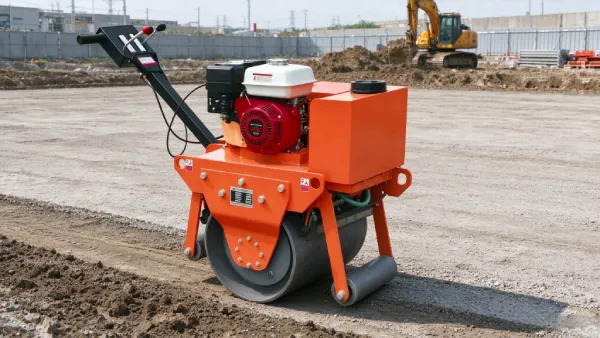
Single drum roller for road construction and earthwork applications
Primary Application
Soil and road base compaction
Compaction System
Static weight and vibration, where equipped
Key Selection Factors
Weight, drum width and soil conditions
Available Configurations
Confirm by model and supplier specifications
Equipment Overview
What Is a Single Drum Road Roller?
A single drum road roller is a compaction machine that typically has a large steel drum at the front and rubber tires at the rear. Depending on its configuration, the machine uses static weight, vibration or both to compact suitable materials.
Single drum rollers are commonly used for road subgrades, embankments, granular base layers and other earthwork applications. The appropriate machine depends on the material being compacted, layer thickness, moisture conditions and the required compaction result.
- Designed for a range of soil and granular material compaction tasks.
- Available configurations may differ in operating weight and drum specifications.
- Vibratory models use a vibration system to assist compaction.
- Correct selection depends on project conditions, not machine weight alone.

Typical Applications
Where Are Single Drum Rollers Used?
Single drum rollers are commonly selected for earthwork and road foundation compaction. Actual suitability depends on the soil type, moisture content, layer thickness and the machine's operating specifications.
Road Subgrade
Compacting prepared soil layers before the placement of subsequent road foundation materials.
Granular Road Base
Compaction of suitable gravel and crushed aggregate layers when the roller configuration matches the material and project requirements.
Earthworks and Embankments
Supporting compaction work for fill areas, road embankments and prepared construction platforms.
Site Preparation
Compaction of suitable ground materials on industrial, commercial and infrastructure construction sites.
Access Roads
Preparing and compacting suitable road foundation layers for construction access and service roads.
Large Earthwork Projects
Supporting soil compaction operations where the machine's weight, drum width and performance match the work area and material.
Available Equipment
Single Drum Road Roller Models
Compare the specifications of available machines before choosing a roller for your project. Confirm model availability, technical data and configuration before making a purchase decision.
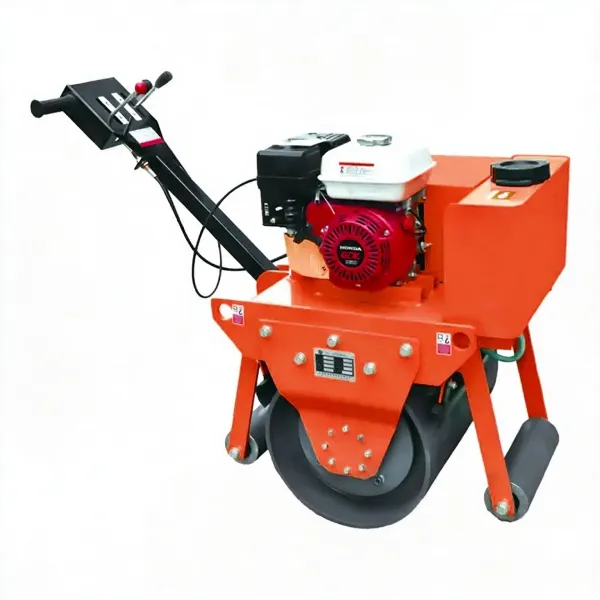
Single Drum Roller
For suitable soil and road base compaction applications. Confirm the exact model and specifications with the sales team.
- Model Confirm availability
- Operating Weight See model data
- Drum Width See model data
- Engine Power See model data

Single Drum Vibratory Roller
A vibratory configuration for suitable soil compaction tasks. Compare vibration parameters as well as operating weight.
- Model Confirm availability
- Operating Weight See model data
- Vibration Frequency See model data
- Nominal Amplitude See model data

Other Available Configurations
If additional drum types, operating weights or machine configurations are available, list them here with their verified specifications.
- Model Confirm availability
- Drum Type See model data
- Operating Weight See model data
- Application Confirm by project
Product images and specifications on this page should represent actual available machines. Remove any card that does not correspond to a real model.
Drum Configuration
Smooth Drum vs. Padfoot Drum
Drum design affects how a roller interacts with the material being compacted. Choose a configuration according to soil conditions, engineering requirements and equipment availability.

Smooth Drum Roller
A smooth steel drum is commonly used for compacting granular materials and suitable soil layers. Vibratory smooth drum rollers are frequently used for road base work, subject to the material and project specification.

Padfoot Drum Roller
A padfoot drum has raised feet that create a kneading action and can be useful for certain cohesive soils. Suitability depends on the material, moisture content, lift thickness and the required compaction method.
Not every single drum roller is available with both drum types. Confirm the actual machine configuration before listing it as an available option.
Equipment Comparison
Single Drum Roller vs. Double Drum Roller
These machines serve different roles in road construction. The appropriate choice depends on the layer being compacted, material properties and the required surface finish.
| Comparison | Single Drum Roller | Double Drum Roller |
|---|---|---|
| Typical Structure | One main steel drum, commonly at the front, with rear tires | Two steel drums, commonly arranged front and rear |
| Common Applications | Soil, earthworks and suitable granular road base layers | Asphalt paving and selected road surface or base applications |
| Selection Priorities | Soil type, operating weight, vibration settings and lift thickness | Surface requirements, drum dimensions, vibration settings and paving method |
| Key Consideration | Match the drum and compaction system to the material | Match the machine to the paving operation and required finish |
These are typical distinctions, not absolute rules. Some equipment configurations serve overlapping applications. Follow the project specification and manufacturer guidance.
Looking for equipment for asphalt surface compaction? Explore the Road Roller range
Buying Guide
How to Choose a Single Drum Road Roller
Selecting a suitable roller requires more than comparing machine weight. Review the material, layer thickness, required compaction result and site conditions together.
Identify the Material
Determine whether the job involves cohesive soil, granular soil, gravel or crushed aggregate. Material properties influence drum choice and compaction method.
Confirm Layer Thickness
The compacted layer thickness and required density help determine the suitable operating weight and compaction settings.
Compare Operating Weight
Compare working weight and available performance data rather than choosing a machine by nominal tonnage alone.
Check Vibration Parameters
For vibratory models, review frequency, amplitude and exciting force alongside the material and project requirements.
Evaluate Site Conditions
Consider working space, slopes, access, transport dimensions and the availability of maintenance support.
Confirm the Specification
Before ordering, verify the model, engine, drum type, technical data, included equipment and shipping requirements in the quotation.
Technical Information
Single Drum Roller Specifications to Compare
Use the specification table to compare actual models. The final figures should be taken from the corresponding supplier datasheet or confirmed technical documentation.
| Specification | What It Means | What to Confirm |
|---|---|---|
| Operating Weight | The working mass of the configured machine | Actual model weight and included equipment |
| Engine Power | Rated power of the installed engine | Engine brand, rated power and applicable standard |
| Drum Width | The width of the compaction drum | Actual drum width and machine dimensions |
| Vibration Frequency | The operating frequency of the vibratory system | Frequency range or selectable settings, if applicable |
| Nominal Amplitude | The specified vibration amplitude | Available amplitude settings and model data |
| Exciting Force | The rated force generated by the vibration system | Published values and the conditions under which they apply |
| Gradeability | The stated ability to travel on a gradient | Test conditions and manufacturer specifications |
| Dimensions | Overall machine dimensions | Transport size, loading method and shipping clearance |
Specifications vary by model and configuration. Do not use generic industry values as the specifications of a particular machine.
Before You Order
What to Confirm Before Buying
A suitable road roller should match the material, working conditions and project specification. Before requesting a quotation, prepare the following information to help identify an appropriate configuration.
- Country of destination and project location.
- Material to be compacted and target application.
- Required operating weight or preferred machine size, if known.
- Expected working hours, terrain and site access conditions.
- Required engine, configuration or technical standards.
- Quantity, delivery schedule and spare parts requirements.
Information for a More Accurate Quote
If you do not know the exact model, start with your project details. The material type, layer thickness, working area and target compaction requirements can help narrow down the equipment options.
Request the corresponding datasheet, configuration details, quotation and shipping information before confirming an order.
Discuss Your Project
Frequently Asked Questions
Single Drum Road Roller FAQs
Answers to common questions about applications, equipment selection and purchasing.
A single drum road roller is commonly used to compact soil, gravel and suitable road base materials during road construction and earthwork projects. The appropriate machine depends on the material, layer thickness and required compaction result.
A typical single drum roller has one main steel drum and rear tires and is widely used for soil and road foundation compaction. A double drum roller has two steel drums and is commonly used in asphalt paving and selected road compaction applications. Choose according to the material and project specification.
Consider the material type, compacted layer thickness, required density, site access and compaction method. Operating weight is important, but it should be assessed together with drum dimensions and vibration specifications. Follow the project specification and equipment guidance.
Some single drum rollers may be used for selected base or earthwork operations associated with road construction, but they are not automatically the best choice for final asphalt surface compaction. Machine selection should follow the paving method and project specification.
A smooth drum has a continuous steel surface and is commonly used on suitable granular materials and soil layers. A padfoot drum has raised feet that create a kneading action and may suit certain cohesive soils. The correct choice depends on material properties and project conditions.
Review operating weight, engine power, drum width, vibration frequency, nominal amplitude, exciting force, gradeability and machine dimensions where applicable. Confirm the values against the datasheet for the exact model and configuration.
Share your destination country, intended application, preferred operating weight, required quantity and any technical requirements. Ask for the model datasheet, quotation, included configuration and shipping terms so that you can compare offers accurately.
Explore Related Equipment
Related Road Construction Equipment
Explore other equipment categories to identify machines for different road construction and maintenance tasks.
Publish links only to existing, relevant pages. Replace or remove any URL that does not match a live page on your website.
Looking for a Single Drum Road Roller for Your Project?
Tell us about your application, material, required operating weight and destination. Request available model specifications and a quotation based on your needs.